

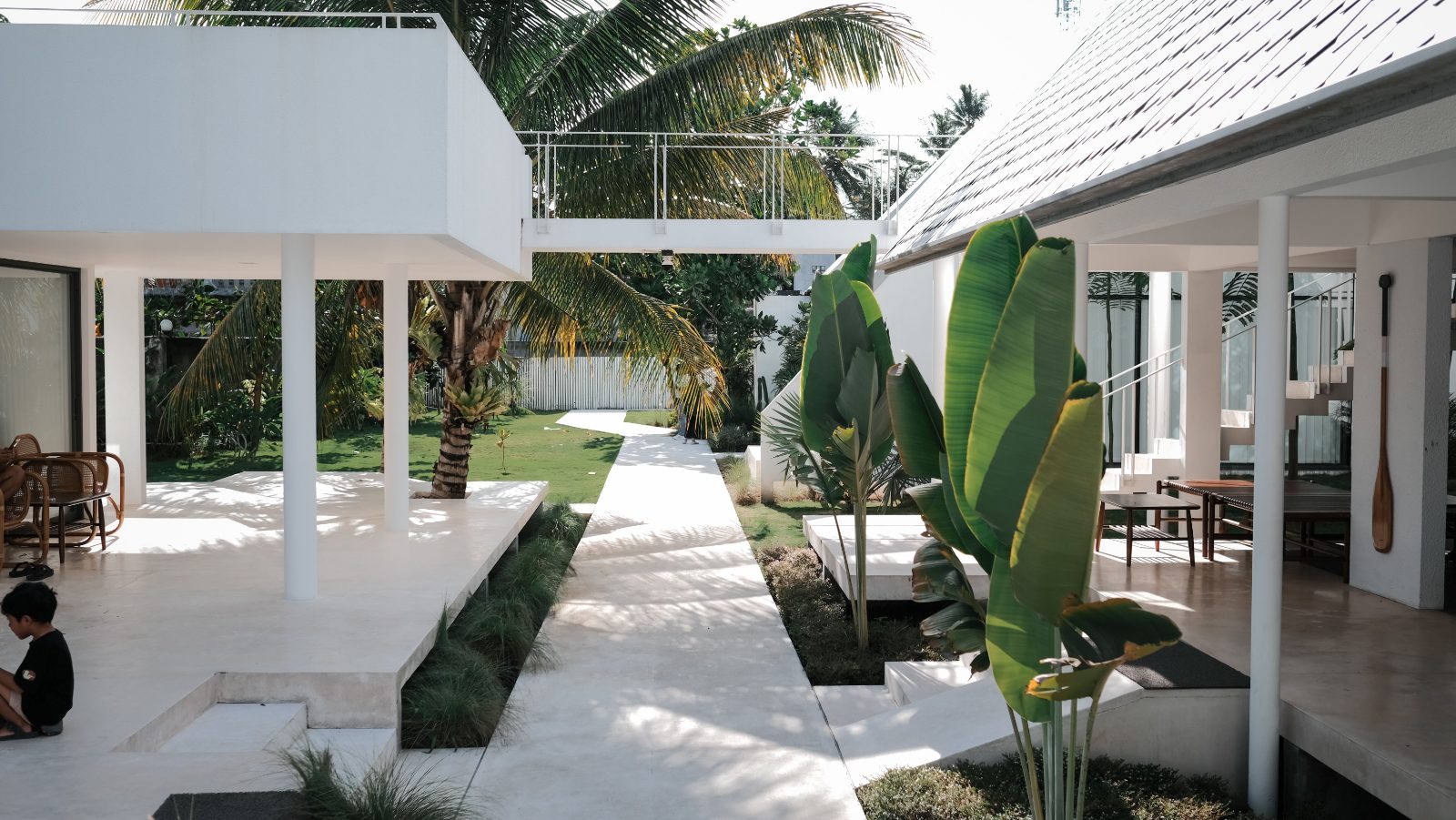
Visiting a property once and liking how it looks is not sufficient due diligence before committing to a rental — especially an annual one. A systematic inspection before you sign protects you from avoidable problems and gives you grounds to negotiate if issues are found. Never pay a deposit without completing these checks.
1. Water Supply
Ask whether water is supplied by PDAM (the regional water utility, metered), a private well (sumur), or tanker delivery. Each has different reliability and cost implications:
- PDAM: metered, billed monthly. Confirm the meter is functioning and that there are no outstanding bills
- Well water: common outside urban areas. Check pump condition and water quality. Well water is not always suitable for drinking without filtration
- Tanker delivery: common in parts of the Bukit and more remote areas. Costs depend on frequency and volume needed. Confirm the tank size and typical delivery schedule
Test the water pressure at multiple taps. Weak pressure can indicate pump problems, shared supply issues, or infrastructure limitations that affect daily living.
2. Electricity
Check the PLN meter amperage (daya) — a common issue in older Bali properties is insufficient amperage for modern appliances. Running air conditioning, a washing machine, and kitchen appliances simultaneously on a low-amperage connection can trip the breaker repeatedly. Ask the landlord what amperage the connection is and whether it can be upgraded.
Ask to see the last 3–6 months of electricity bills. This gives you a realistic expectation of monthly electricity costs and reveals whether the previous occupant's usage matches yours. See: How Much Does It Cost to Rent a Villa in Bali? →
3. Air Conditioning
Test every AC unit in every room — turn them on and let them run for several minutes. Check that they reach a comfortable temperature, that they don't make unusual noises, and that the filters are clean. Replacing or repairing AC units is expensive. Ask about the age of the units and the maintenance history. Confirm who is responsible for AC servicing costs in the rental contract.
4. Plumbing
Flush all toilets, run all showers, and check for slow drains. Look under sinks for signs of past leaks or water damage. Check the water heater — confirm it functions, especially for showers. Plumbing issues in tropical climates deteriorate quickly and can become significant problems if not caught early.
5. Internet
Test the internet speed on-site before signing. Use a speed-test tool on your own device connected to the property's wifi — do not rely on the landlord's stated speed, which may be the theoretical maximum rather than the actual delivered speed. Fiber availability in Bali varies significantly by area. If reliable high-speed internet is important to you (remote work, video calls), verify it in person. Ask whether the existing provider can be upgraded if speed is insufficient.
6. Pool Condition
Inspect the pool: water clarity, tile condition, pump operation, and any visible cracks or staining. Ask about the maintenance schedule — how often is it cleaned, and who pays for chemicals? A poorly maintained pool is a significant ongoing issue in Bali's climate. Confirm maintenance responsibilities in the contract.
7. Drainage and Flooding Risk
Ask whether the property or its access road has flooded during the wet season. Inspect drainage channels and check that there are no obvious blockages. Some areas of Bali — particularly lower-lying parts of Canggu and Seminyak — are more susceptible to flooding. This is worth researching for the specific property and street before committing to an annual lease.
8. Noise Environment
Visit the property at different times — a quiet mid-morning visit may not reveal weekend noise from nearby venues, morning traffic, construction, or temple ceremonies that occur at specific hours. Ask neighbours or ask about known noise sources. In some areas of Bali, nightlife noise or early-morning activity is a genuine consideration for residential renters.
9. Furniture, Appliances, and Condition
Inspect all furniture for condition — broken items, staining, or wear. Test all appliances: oven, washing machine, fridge, water dispenser. Open all cupboards and wardrobes. Check all doors, windows, and locks. Note anything that is not in acceptable condition before signing, and have the landlord confirm in writing whether items will be repaired or replaced before move-in — or negotiate a price reduction if not.
10. Access, Road, and Parking
Drive to the property — assess the road condition, particularly for narrower lanes common in villa areas. Check parking availability. In some parts of Canggu and Seminyak, road access is narrow and parking limited. If you will be driving regularly, verify this is practical. Also check gate and entrance functionality.
11. Security
Assess security features: gate and lock quality, external lighting, visibility from the street. Ask whether the area has a community security patrol (ronda) and whether the property has experienced any security incidents. For standalone villas, basic security provisions are worth understanding before committing.
12. Contract and Landlord Verification
Before paying anything, verify that the person offering the property to rent has the right to do so — either as the owner or as an authorised agent. Ask to see the land certificate or proof of authority to rent. Confirm the contract covers all the terms discussed verbally, including deposit return conditions, maintenance responsibilities, and what happens if either party needs to exit early. For a full contract guide: Villa Rental Contracts in Bali: What to Know →
13. Pre-Rental Checklist
14. Frequently Asked Questions
Sources & References
This guide is for general informational purposes only. Conditions vary by property. Always verify from direct inspection and independent sources.